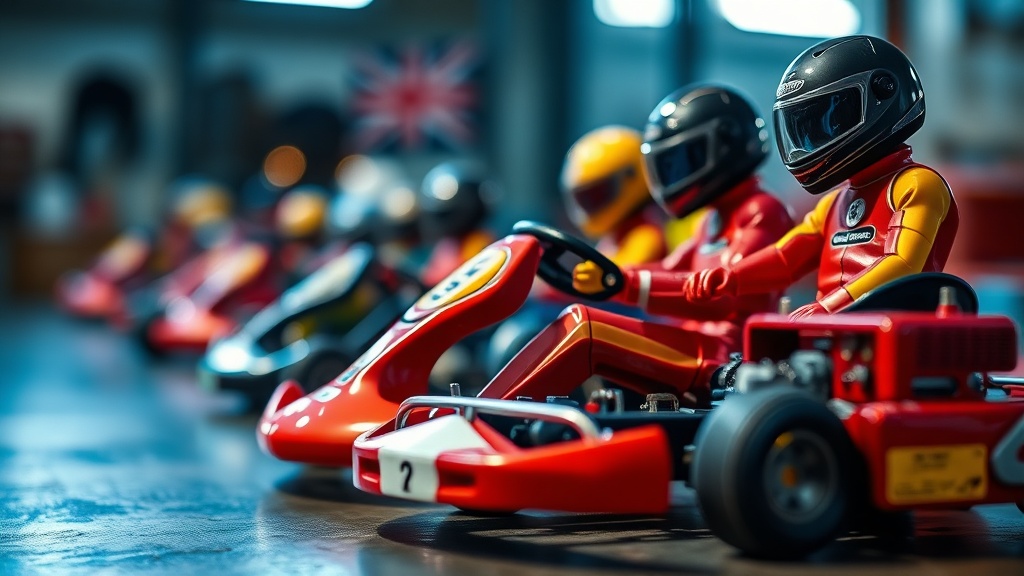
Preserving the Shine on Vintage Karting Figures

Studies of high-end collectible degradation show that even a 5% increase in relative humidity can accelerate the breakdown of certain plastic polymers and paint layers. This post addresses the specific methods for maintaining the physical integrity of vintage Mario Kart figures, ranging from the early Nintendo Land sets to the more recent Amiibo releases. We'll look at how to manage UV exposure, temperature fluctuations, and chemical-induced oxidation to ensure your collection stays in mint condition.
Most collectors focus on the price tag, but they forget that the actual physical material is what holds that value. If a figure's paint chips or the plastic yellows, the market value drops instantly. It's a hard lesson to learn the expensive way.
How Do You Prevent UV Damage on Plastic Figures?
The most effective way to prevent UV damage is to store your figures in a room with controlled lighting or inside UV-resistant display cases. Sunlight is the enemy of color saturation. If you've ever seen a bright red Mario figure turn a dull, chalky pink, you've seen the direct result of photo-oxidation.
UV rays break down the chemical bonds in both the plastic substrate and the paint. This isn't just a cosmetic issue—it's a structural one. Over time, the plastic becomes brittle. You might try to move a figure, and suddenly, a tiny limb snaps off. That's not a fun way to lose a piece of your collection.
Here are the three main types of light exposure to watch out for:
- Direct Sunlight: This is the worst-case scenario. Even a few hours of direct sun through a window can cause permanent discoloration.
- Fluorescent Lighting: While less aggressive than the sun, older fluorescent bulbs emit small amounts of UV radiation that can add up over years.
- LED Exposure: Generally much safer, but high-intensity LEDs used in professional-grade display cases can still generate heat, which is a different problem entirely.
I always recommend using UV-resistant acrylic cases for your most prized pieces. It's an extra expense, but it's much cheaper than replacing a devalued figure. If you're displaying them on a shelf, make sure that shelf isn't directly opposite a south-facing window.
What Is the Best Way to Clean Vintage Figures?
You should only use a soft, dry brush or a specialized air blower to remove dust, as any liquid can damage the paint or leave streaks.
I've seen collectors try to "deep clean" a piece with a damp cloth, only to realize they've wiped away the original paint. It's heartbreaking. Instead, stick to the basics. A clean, soft-bristled makeup brush or a dedicated camera lens blower is your best friend here.
If you have a piece that is particularly dusty, follow this hierarchy of cleaning:
- Air Blasting: Use a bulb blower (the kind photographers use) to dislodge loose particles.
- Soft Brushing: Use a high-quality, synthetic brush to gently whisk away stubborn dust.
- Microfiber Wipe: Only if absolutely necessary, use a dry, high-quality microfiber cloth.
A common mistake is using a vacuum cleaner. Even the lowest setting on a handheld vacuum can create enough suction to pull small parts off a figure or scratch the finish. It's a massive risk for a very small reward.
Sometimes, you might feel the urge to use a specialized cleaner to get that "new" look back. Don't do it. The goal is preservation, not restoration. A slightly dusty figure is a "vintage" figure; a scratched or chemically stripped figure is a "damaged" figure.
How Do You Store Collectibles to Avoid Humidity Issues?
The best storage method is a climate-controlled environment with a stable temperature and a relative humidity level between 40% and 50%. Extreme humidity can lead to mold growth or "sticky plastic syndrome," where the plasticizers migrate to the surface, making the figure feel tacky or oily.
Humidity is a silent killer. It's not always obvious until the damage is already done. If you live in a damp area, you might notice your figures feeling slightly "grabby" to the touch. This is often a sign that the plastic is reacting to the environment.
| Environment Factor | Ideal Range | Potential Damage |
|---|---|---|
| Temperature | 65°F - 75°F | Heat causes warping and paint softening. |
| Humidity | 40% - 50% | High humidity causes stickiness; low humidity causes brittleness. |
| Light Exposure | Low UV/Indirect | UV light causes fading and structural degradation. |
If you're storing your collection in a basement or an attic, you're playing with fire. Basements are too damp, and attics are too hot. Neither is suitable for long-term preservation. I prefer using a dedicated display room that stays at a consistent temperature year-round.
For those who keep their figures in their original packaging—which, let's be honest, is the best way to preserve value—the rules are even stricter. The cardboard and the plastic blister can also degrade. Cardboard can absorb moisture and warp, and the plastic can become brittle or yellow if the environment isn't controlled. Check out the National Park Service guidelines on material preservation if you want to get really technical about how different materials react to their surroundings.
One thing to watch out for is "shelf wear" on the boxes themselves. Even if the figure inside is perfect, a crushed corner on a box can shave 20% off the value. If you're a collector who buys "in-box," your storage isn't just about the toy; it's about the packaging too.
It's worth noting that some collectors use silica gel packets inside their display cases. This is a great way to manage moisture levels in a small, enclosed space. Just be sure to replace or reactivate the silica regularly, as they lose their effectiveness once they've absorbed all they can.
Don't forget the air. If you're using an air purifier in your room, make sure it's not blowing directly onto your display cases. The constant airflow can actually dry out the air and create localized dry spots, which isn't ideal for the plastic. It's all about balance.
If you're ever in doubt about a piece's condition, err on the side of caution. It's better to have a slightly dusty figure than a chemically stripped one. Your future self will thank you when you go to sell that piece years down the line. The market for high-quality, well-preserved vintage gaming collectibles is always looking for the "mint" stuff. Don't let your collection become the "average" stuff.