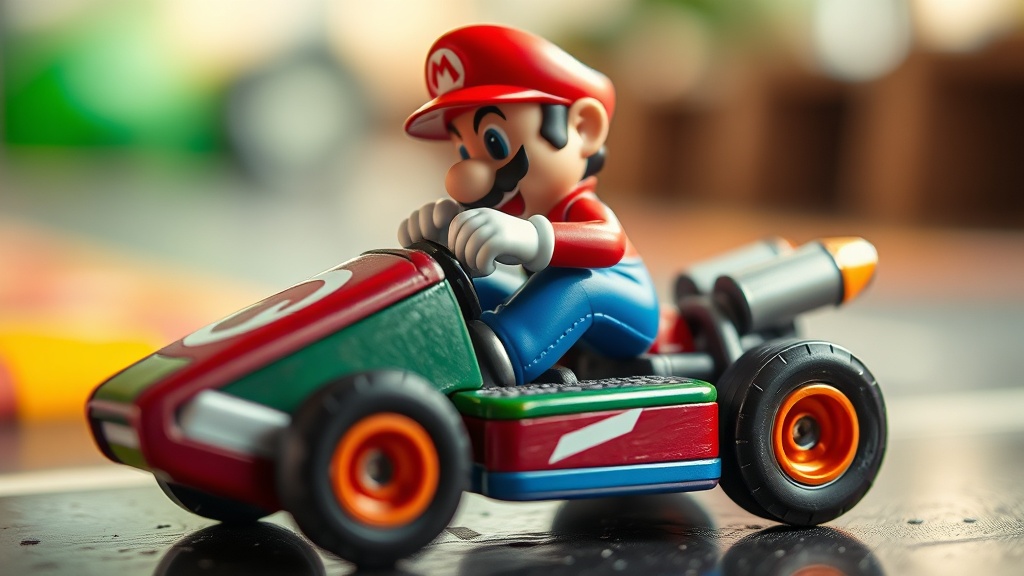
Protecting Your Mario Kart Die-Cast Metal Collection from Oxidation

Why Metal Oxidation Ruins Your Collection
Imagine opening a vintage Mario Kart die-cast box—perhaps a limited edition Bowser heavy-weight kart—only to find a fine, crusty layer of white powder or a greenish tint creeping around the edges of the wheels. It's a heartbreaking sight. That substance isn't just dirt; it's oxidation. For collectors of die-cast metal, this is the silent enemy. It destroys the paint finish, weakens the structural integrity of the chassis, and—most importantly—drastically reduces the resale value of your pieces. Whether you collect heavy metal karts or lighter plastic-blend models, understanding how to prevent chemical degradation is a fundamental part of being a serious collector.
Metal-based collectibles are susceptible to environmental factors that a plastic figure simply doesn't face. Moisture, temperature swings, and even the chemicals found in certain display cases can trigger a reaction. If you're looking to preserve your investment, you can't just set a box on a shelf and walk away. You need a strategy that accounts for the physical properties of the materials themselves.
How Do I Prevent Rust on Die-Cast Karts?
Preventing rust and oxidation starts with controlling the environment. Humidity is your biggest adversary. High levels of moisture in the air will eventually find its way into the microscopic gaps of a die-cast kart, leading to surface corrosion. One of the most effective ways to combat this is by using silica gel packets. These small packets are designed to absorb moisture from the air and are incredibly cheap to acquire in bulk.
- Use Airtight Display Cases: Don't leave your karts sitting on an open shelf. Use high-quality acrylic or glass cases that seal tightly. This limits the amount of fresh, humid air that can interact with the metal.
- Silica Gel Packs: Drop a small, color-changing silica gel packet into the base of your display case. It acts as a constant sponge for moisture.
- Temperature Control: Avoid placing your collection near a window or a radiator. Rapid temperature shifts cause condensation—a tiny, invisible dew—to form on the metal surfaces, which is a one-way ticket to rust.
If you want to see more about how environmental factors affect various materials, the Britannica entry on oxidation provides a deep dive into the chemistry behind these reactions. Understanding the science helps you realize why a simple dusting isn't enough.
Can I Clean Corroded Metal Without Damaging Paint?
If you've already noticed a bit of discoloration, you might be tempted to grab some heavy-duty cleaner. Stop right there. Most household cleaners contain abrasives or harsh chemicals that will strip the paint right off your Mario Kart karts. If you use a generic metal polish on a die-cast model, you'll likely end up with a shiny, but completely ruined, piece of memorabilia.
When dealing with light oxidation, you have to be surgical. A soft-bristle brush—think a clean, new toothbrush—is your best tool. A very light touch can sometimes dislodge surface dust that looks like corrosion but is actually just buildup. If the metal is actually pitted, you're dealing with a much harder problem. At that stage, the damage is often permanent, but for minor surface issues, a dry, soft microfiber cloth is your safest bet. Avoid using any liquids unless you are absolutely certain the item is a solid metal casting without any painted-on decals, and even then, proceed with extreme caution.
The Risks of Using Household Sprays
Never, under any circumstances, spray a cleaning solution directly onto your collection. The droplets can settle in the crevices of the wheels or the underside of the kart. Once liquid gets trapped under the chassis, it stays there, creating a micro-climate of high humidity that accelerates rot. If you must use a cleaner, spray a tiny amount onto a cloth first, wipe, and then immediately dry the area with a fresh part of the cloth.
Is UV Light a Threat to My Collection?
While we often worry about the metal, the paint job is often the first thing to go when exposed to UV light. Even if your karts aren't rusting, the vibrant reds of Mario's kart or the deep purples of Rosalina's can fade into dull, chalky versions of themselves. This is called photodegradation. The UV rays break down the chemical bonds in the pigments, leading to a loss of color intensity.
To keep your colors vibrant, follow these rules:
- Avoid Direct Sunlight: Never display your collection in a room that gets direct sunlight during the day. Even through a window, UV rays are powerful enough to cause damage over time.
- Use UV-Filtering Acrylic: If you use display cases, look for those that explicitly mention UV protection. This is a standard feature in many high-end museum-grade cases.
- LED Lighting: If you use a display light, stick to LEDs. Traditional incandescent bulbs produce heat and a specific spectrum of light that can be much harsher on paint than the cool, consistent light of an LED.
For more information on how light affects various surfaces, you can check out resources on archival-grade storage at The Library of Congress, which offers extensive documentation on preserving historical artifacts.
A Quick Checklist for Collector Maintenance
Maintaining a collection is a continuous process, not a one-time event. Every few months, you should do a quick "walk-around" of your display. Look for any signs of "blooming"—that white, powdery residue that indicates a chemical reaction is happening. Check the integrity of your seals and ensure your silica packets are still effective. If a packet has changed color (usually from blue to pink), it's time to replace it.
| Issue | Potential Cause | Immediate Action |
|---|---|---|
| White Powder | Oxidation/Salt buildup | Check humidity levels |
| Dull Paint | UV Exposure | Move away from light |
| Sticky Texture | Chemical off-gassing | Clean with dry cloth |
| Greenish Tint | Copper reaction | Isolate the piece |
By being proactive, you ensure that your Mario Kart die-cast pieces remain in top condition for years to come. A well-maintained collection isn't just about looking good today; it's about preserving the history and the value for the future. Don't let a little bit of moisture turn your prized racing karts into a pile of scrap metal.