Selecting High-Value Mario Kart Vinyl Figures for Your Collection

Why the right figure matters for your shelf
Did you know that certain limited-run vinyl figures from the early 2000s can now command prices five times higher than their original retail value? While many collectors focus on die-cast metal or high-end statues, vinyl figures represent a unique intersection of accessibility and collectible rarity. These items are often more susceptible to environmental wear, making the selection process a matter of both aesthetic and financial foresight. This guide covers how to identify high-quality Mario Kart vinyl-based collectibles, what to look for in terms of paint application, and how to avoid common pitfalls when purchasing from third-party sellers.
What makes a Mario Kart vinyl figure valuable?
Value in the vinyl market isn't just about age; it's about the condition of the surface and the completeness of the packaging. Unlike heavy metal models, vinyl is porous and can react to light and heat. When you're looking at a piece, you're looking for a lack of "stickiness"—a common issue with older PVC and vinyl toys where the plasticizers migrate to the surface. A high-value figure will have a matte or consistent gloss finish without any tacky residue. If you see a slight sheen that feels oily, walk away. That figure has already begun to degrade.
Another factor is the production run. Companies like Funko or smaller Japanese boutique toy makers often release limited editions that aren't widely distributed in Western markets. These "import-only" pieces often hold their value far better than mass-market versions. To check the authenticity of a figure, look at the mold seams. A high-quality collectible will have nearly invisible seams. If the lines where the two halves of the plastic meet are thick or jagged, you're likely looking at a lower-tier production or a bootleg. You can cross-reference official product databases at sites like Nintendo's official archives to ensure the model number matches the character.
How do I identify authentic Mario Kart vinyl toys?
Authenticity is the biggest hurdle for the modern collector. The market is flooded with unofficial reproductions that look convincing at a distance but fail under close inspection. One way to tell is by checking the weight and the smell. While vinyl is light, an authentic piece has a very specific, neutral scent. If a figure smells strongly of chemicals or heavy industrial plastic, it's often a sign of a cheap, unofficial recast. Furthermore, look at the base. Most high-quality Mario Kart figures have a sturdy, branded base that supports the weight of the character. If the figure is top-heavy or wobbles excessively, it might be a poorly weighted imitation.
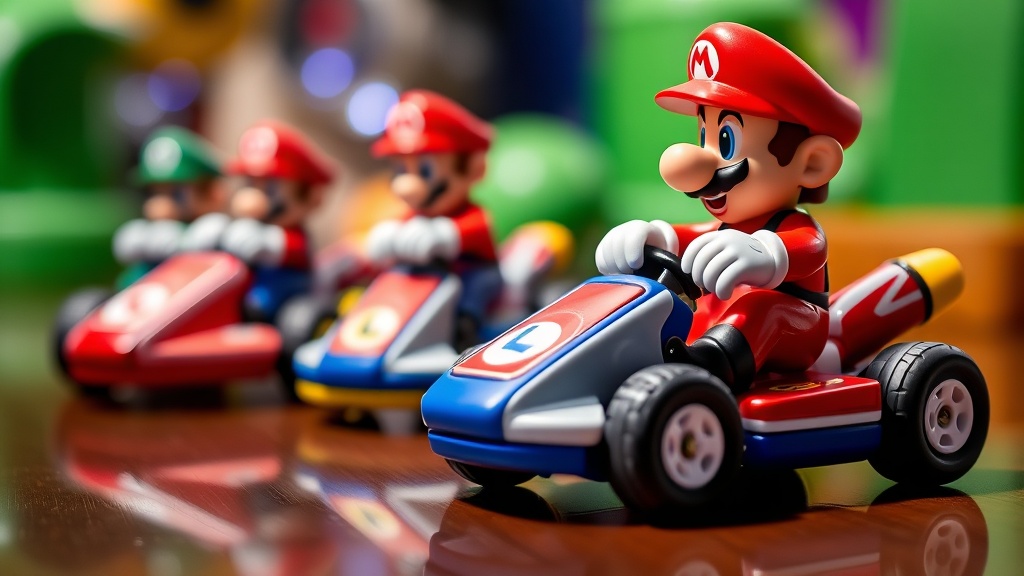
Check the paint application on small details like Mario's hat or the wheels of a racing kart. Official products use high-precision stencils. If the red of the kart is bleeding into the white of the wheel rim, it's a bad sign. You can often find detailed high-resolution images on enthusiast forums to compare your piece against. Collectors often use auction house archives to track the hallmarks of genuine-to-market items. A legitimate figure will have crisp, sharp edges on the eyes and facial features; blurred or "smudged" eyes are a dead giveaway of a low-quality knockoff.
Where should I display my vinyl collection?
Displaying vinyl requires a different approach than displaying metal or heavy resin. Because vinyl is more sensitive to UV rays, a sunlight-drenched shelf is your enemy. UV light doesn't just fade the paint; it can actually break down the molecular structure of the plastic, leading to brittleness. If you want your collection to last, keep them in a temperature-controlled environment. A display case with UV-resistant acrylic is a smart investment. This prevents the colors from washing out and keeps dust from settling into the textured surfaces of the characters.
Avoid placing your collection near heating vents or electronics that generate heat. Excessive heat can cause the vinyl to soften or even warp. If you're displaying them on an open shelf, make sure the surface is stable. Since vinyl figures can be slightly more flexible than die-cast models, they can lean over time if the center of gravity isn't supported. A well-organized collection doesn't just look good; it stays structurally sound through proper placement. Use a leveled-out, shaded area of your room to ensure the colors stay as vibrant as the day you unboxed them.
If you're looking at a used figure, always ask for a photo of the bottom. The underside of the feet or the base often contains the manufacturer's stamp or a batch code. This is a small detail, but it's the difference between a collector's item and a piece of junk. A clean, stamped base indicates a well-kept item that hasn't been mishandled. Always prioritize pieces that have been stored in their original boxes if you're looking for long-term value. An unboxed figure is a different tier of collecting, often better for display but harder to verify for authenticity.
The market for these items is constantly changing. What's a common find today might be a centerpiece tomorrow. By focusing on the physical properties of the material—the texture, the scent, and the structural integrity—you can build a collection that stands the test of time. Don't rush into a purchase just because a character looks cool. Take the time to inspect the mold lines and the paint quality. Your future self will thank you when your shelves are filled with high-quality, durable pieces rather than deteriorating plastic.